
 Report Problem
 Translate
 The grades are in and Kentucky has some work to do when it comes to our infrastructure. The American Society of Civil Engineers (ASCE) released its statewide report card Tuesday afternoon. It evaluated 11 categories in terms of their infrastructure including “drinking water”.
While it is a passing grade, the ASCE found Kentucky’s drinking water infrastructure “requires attention”, giving it a C+.
Report card overview:
- Most public systems meet water quality standards (Louisville Water does)
- Protecting public health is the primary goal of KY drinking water systems
- Systems face financial pressures; many utilities charge inadequate rates to fulfill their needs
- Infrastructure improvements are necessary to continue to provide reliable drinking service across all public water systems
Louisville Water Project Engineer Dakotah DeRoche served on a committee that assessed the drinking water data.
She offered some insight, saying that the “…C+ is not a grade on the safety of the water coming out of the tap. It reflects the continued investment needed to maintain the reliability Kentuckians expect.”
Drinking water systems serve roughly 4.5 million residents across the commonwealth; the state estimates it will take $7.84 billion to cover infrastructure needs over the next 20 years.
“The ASCE report card clearly demonstrates a need for infrastructure improvements and the importance of infrastructure funding,” said Louisville Water’s senior consultant, Vince Guenthner. “In recent years, the Kentucky General Assembly has recognized this need and has allocated millions of dollars to support water and sewer projects throughout the commonwealth including Jefferson County and the surrounding counties. Louisville Water will have a presence in Frankfort and continue to lobby for infrastructure funding in the region.”
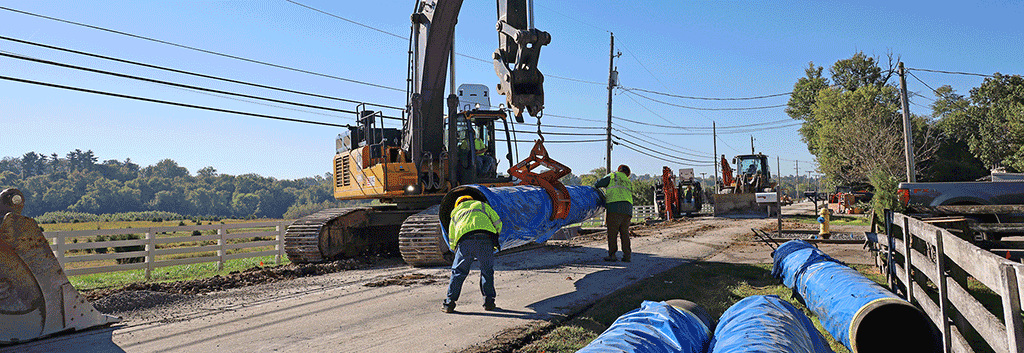
Kentucky’s first drinking water provider, Louisville Water, is also the state’s largest. With more than 4,300 miles of pipes, it’s critical to be proactive and preserve our infrastructure. We continually invest in it to ensure we produce and deliver high-quality Louisville Pure Tap® to nearly a million people every day.
In 2025, Louisville Water implemented the largest annual capital program in the Company’s history, with the majority of the funds dedicated to infrastructure projects.
- Residual Line Project – We replaced an aging residual line that carries byproducts and is critical to our water treatment process. We built two new 24-inch pipelines for increased redundancy.
- Reservoir Relining Project – We are replacing industrial liners in both basins of the Crescent Hill Reservoir. Each basin holds approximately 55 million gallons of water.
- Oak Street Area Project – We have already replaced a large stretch of a 130-year-old transmission main. The project resumes in late October 2026 with a projected completion date of summer 2027.
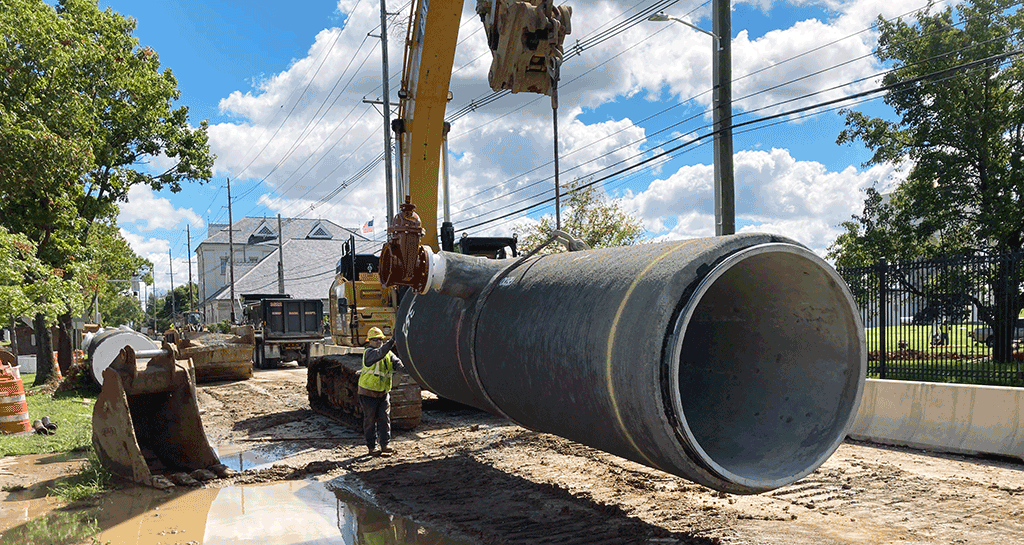
The culmination of those projects followed another large investment just steps away from the Crescent Hill Water Treatment Plant. In 2022, crews finished installing 60-inch and 42-inch water mains underneath Frankfort Avenue to provide additional supply lines and more flexibility for water service to customers.
DeRoche said, “Infrastructure improvements aren’t always convenient, especially when construction reaches your street or neighborhood. But as a project engineer, I see firsthand why this work is so important. The projects we build today strengthen Louisville Water’s system and ensure we can maintain the reliable service our customers expect.”
 The ASCE report also addressed the challenges of “emerging contaminants”, specifically pointing to federal lead regulations and concerns over PFAS (per- and polyfluoroalkyl substances), both of which add up to enormous costs for utilities to bear.
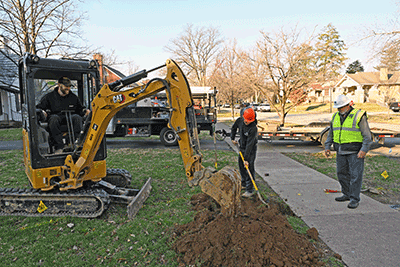
- By 2020, Louisville Water had replaced more than 74,000 public service lines to reduce the risk for lead in drinking water. With the help of government funding, we are currently working with customers to identify and replace private (customer’s plumbing) service lines made of lead or galvanized steel.
- In regard to PFAS, one of our primary treatment strategies is powdered activated carbon. Construction is underway for three new silos to increase our storage capacity.
Louisville Water’s quest for innovation and planning for the future is evident from the time we began operations in 1860. The vision remains today with infrastructure investments designated as one of the priorities of our strategic business plan.
The work we are doing now and the work we will do in the years to come collectively ensures Louisville Pure Tap® will keep flowing into the next century.
