
 Report Problem
 Translate
Microplastics Concerns Under the Microscope
In recent years, concerns have emerged about microplastics and their potentially adverse effects on personal health. Microplastics are tiny plastic particles (smaller than 5 millimeters or < 0.2 inches) that originate from the degradation of larger plastic items or are manufactured as small beads and pellets. These particles have many sizes, shapes, types, and associated ionic charges, which means they have varying impacts.
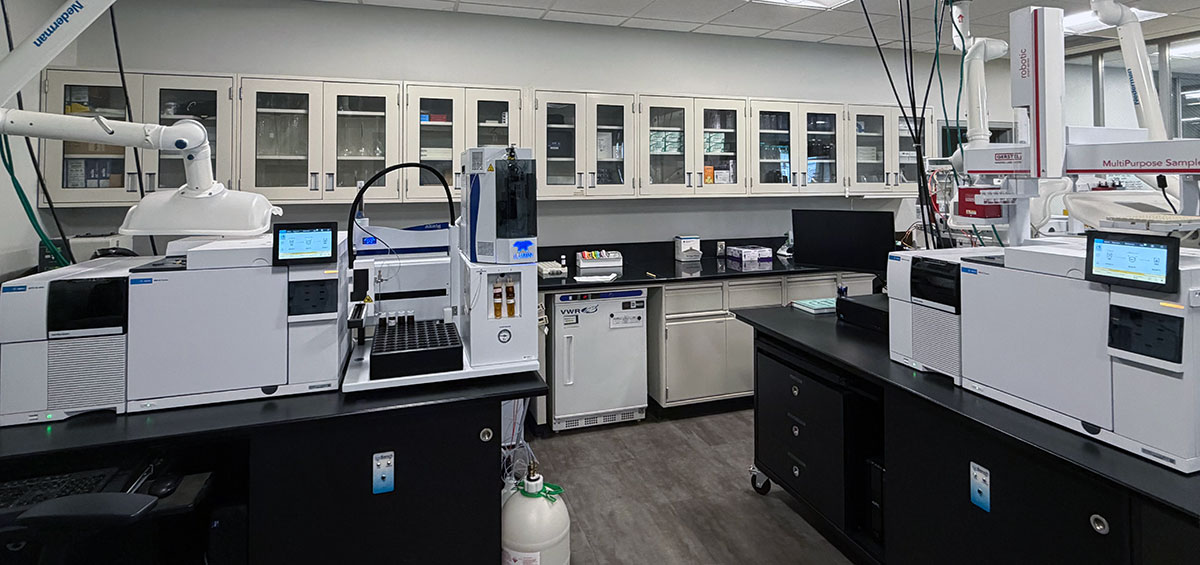
Microplastics occur in ecosystems worldwide, including human bodies, and are found in food, air, and water, including public drinking water as well as bottled water. The presence of microplastics in natural systems and in our food and water has piqued public curiosity and concerns.
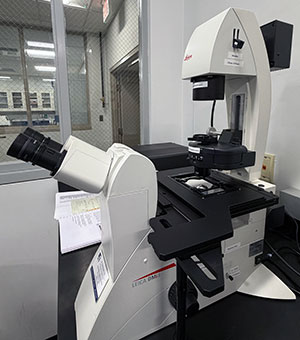 Louisville Water’s scientists are working with the primary researchers on microplastics in drinking water, including sampling techniques, monitoring our source water, and water at each stage of treatment. Our treatment processes are primarily designed to remove particles. Processes like coagulation, flocculation, sedimentation and filtration are capable of removing a wide range of particles, including the size range of microplastics.
Our scientists are also serving as Project Advisory Committee members to provide input on study design and findings of national studies.
The research efforts on microplastics in drinking water and the efficacy of removing microplastics through conventional treatment are in the early stages. Louisville Water is involved in this work as we strive to be at the forefront of important drinking water research.